Environment
Investis remains firmly committed to its sustainable development strategy, with a strong focus on monitoring and optimising the energy performance of its buildings. The Company continues to reduce its environmental footprint and CO2 emissions through energy-efficient renovations and decarbonisation initiatives, including heating systems upgrades, improved insulation and the integration of renewable energy technologies.
SIG-Eco 21 Programme in Geneva
Through participation in the SIG-éco21 programme, Investis has enhanced the energy performance of its Geneva-based properties. The programme targets energy reduction through practical efficiency measures, including optimising heating systems and minimising standby losses.
Key improvements implemented by Investis include:
- Upgrading ventilation systems with more efficient fans and air filters, improving both indoor air quality and energy efficiency
- Replacing outdated circulators in heating systems with energy-efficient models, increasing heating performance while lowering consumption
- Substituting outdated boilers with modern, high-efficiency alternatives
- Installing LED lighting in all common areas across all properties in the Canton of Geneva, significantly reducing electricity use
These initiatives demonstrate Investis’ commitment to reducing energy consumption while enhancing tenant comfort and contributing to the region’s sustainability goals.
Energy performance monitoring
Investis measures energy performance on an annual cycle from July to June, with monitoring carried out in collaboration with specialised partners. To ensure consistency and accuracy, the analysis includes only properties held by Investis for the entire period, excluding properties acquired/sold during a cycle and buildings dedicated to hospitality, leisure or seasonal activities and single-tenant industrial use. The monitoring scope covers an energy reference surface of 226,725 m², representing 99% of eligible buildings.
This structured data collection enables Investis to focus on reducing Scope 1 emissions from direct fuel sources (e.g. heating systems) and Scope 2 emissions from purchased electricity, supporting steady progress towards its sustainability goals. Scope 3 emissions, which relate to indirect activities outside the Group’s direct control – such as tenants’ electricity use – are not yet reported.
Energy Monitoring Methodology
Investis follows a site-based approach to ensure data accuracy and reliability in its environmental reporting data. Energy and water consumption data is primarily sourced from periodic meter readings and actual utility bills and undergoes a comprehensive verification to guarantee its quality.
Historically, metrics were based on the KBOB 2014 standard. As of the previous reporting period, Investis adopted the KBOB 2022 standard, reflecting updated emission factors and conversion coefficients for primary energy, CO₂ emissions, and renewable energy. This methodological update enhances the accuracy and relevance of reported environmental performance in accordance with evolving industry standards.
Regulatory context and path to 2050
The Climate and Innovation Act sets clear objectives for climate protection, in particular achieving carbon neutrality by 2050.
Switzerland’s energy transition implies a gradual reduction in the use of non-renewable sources such as oil and natural gas. In line with federal requirements, cantons are revising their energy regulations. Geneva has already amended its energy law, while Vaud is in the process of doing so. These revisions include prohibiting the installation of new fossil-fuel heating systems and mandating the renovation of energy-intensive buildings. In response, Investis has assessed and is actively monitoring the energy performance of its portfolio to define priorities and plan targeted renovations supporting the obligation to achieve carbon neutrality by 2050.
The implementation of these measures depends partly on external factors beyond Investis’ control, including:
- Renovation authorisation: cantonal frameworks impose strict conditions for construction and renovation permits. In some cases, modifying architectural or technical elements to improve efficiency may conflict with heritage protection rules, limiting renovation options.
- Development of new district heating networks: replacing oil or gas heating is most effective through connection to district heating networks. However, this requires the networks to be powered by renewable energy and to be accessible within the property’s location.
Reaching the 2050 target will therefore require not only Investis’ own planning and investments, but also supportive infrastructure development and flexible regulatory frameworks.
Heating energy mix
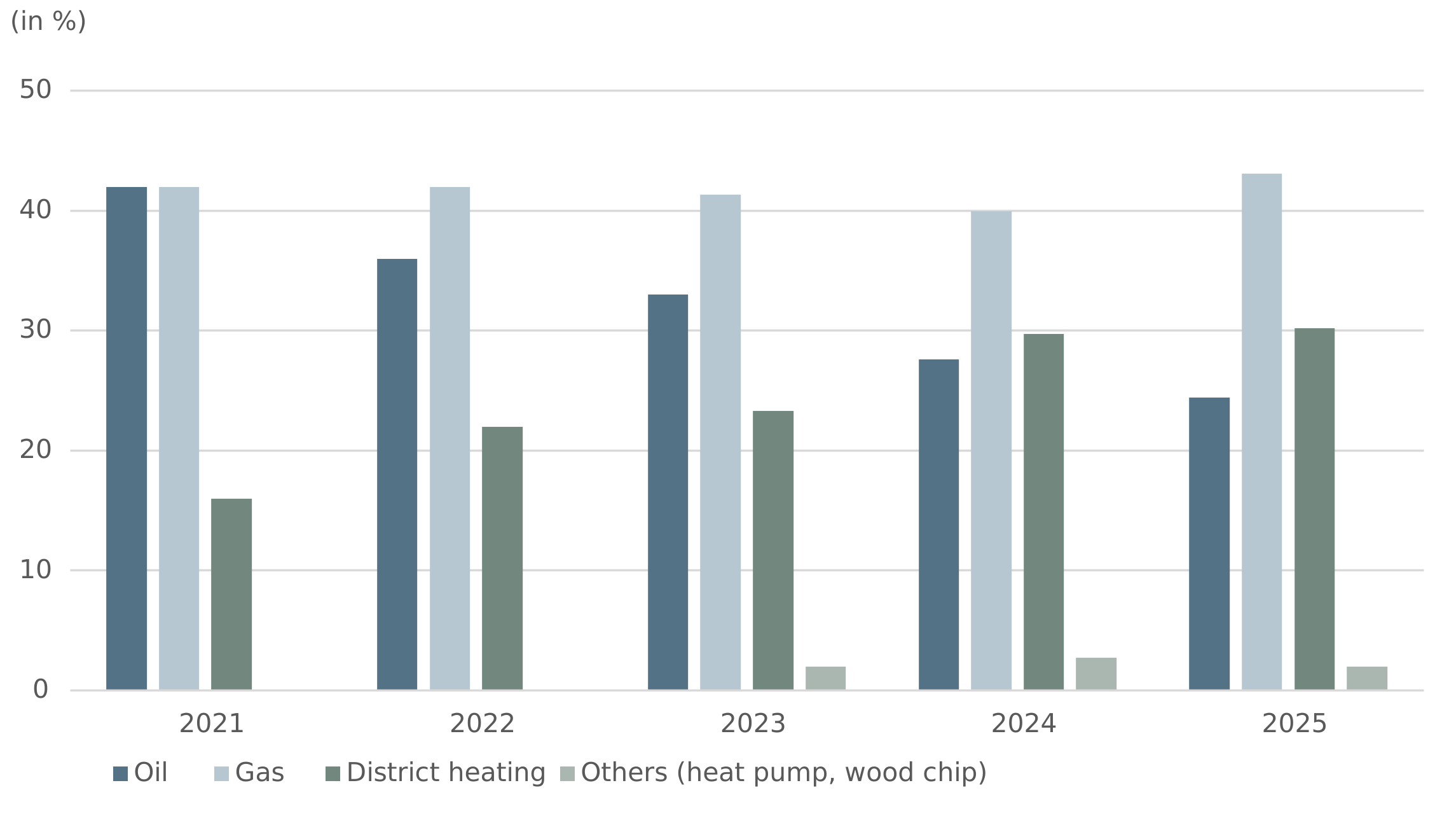
The heating energy mix measured across all buildings in the portfolio at year-end, highlights a clear shift towards renewable energy sources, consistent with broader sustainability trends. This transition reflects Investis’ ongoing efforts to reduce dependence on fossil fuels and to expand the use of sustainable energy alternatives.
Emissions & Consumptions
Investis provides the following data points below:
CO2 emissions
During the reporting period, the portfolio generated 6,015 tonnes of CO2. Based on the energy reference Surface (ERS), this corresponds to energy consumption of 116.8 kWh/m2 and emissions of 26.6kg CO2/m2. This represents a 2% reduction compared with the previous period and a 30% decrease over the last five years, highlighting Investis’ sustained efforts to reduce the carbon footprint of its buildings.
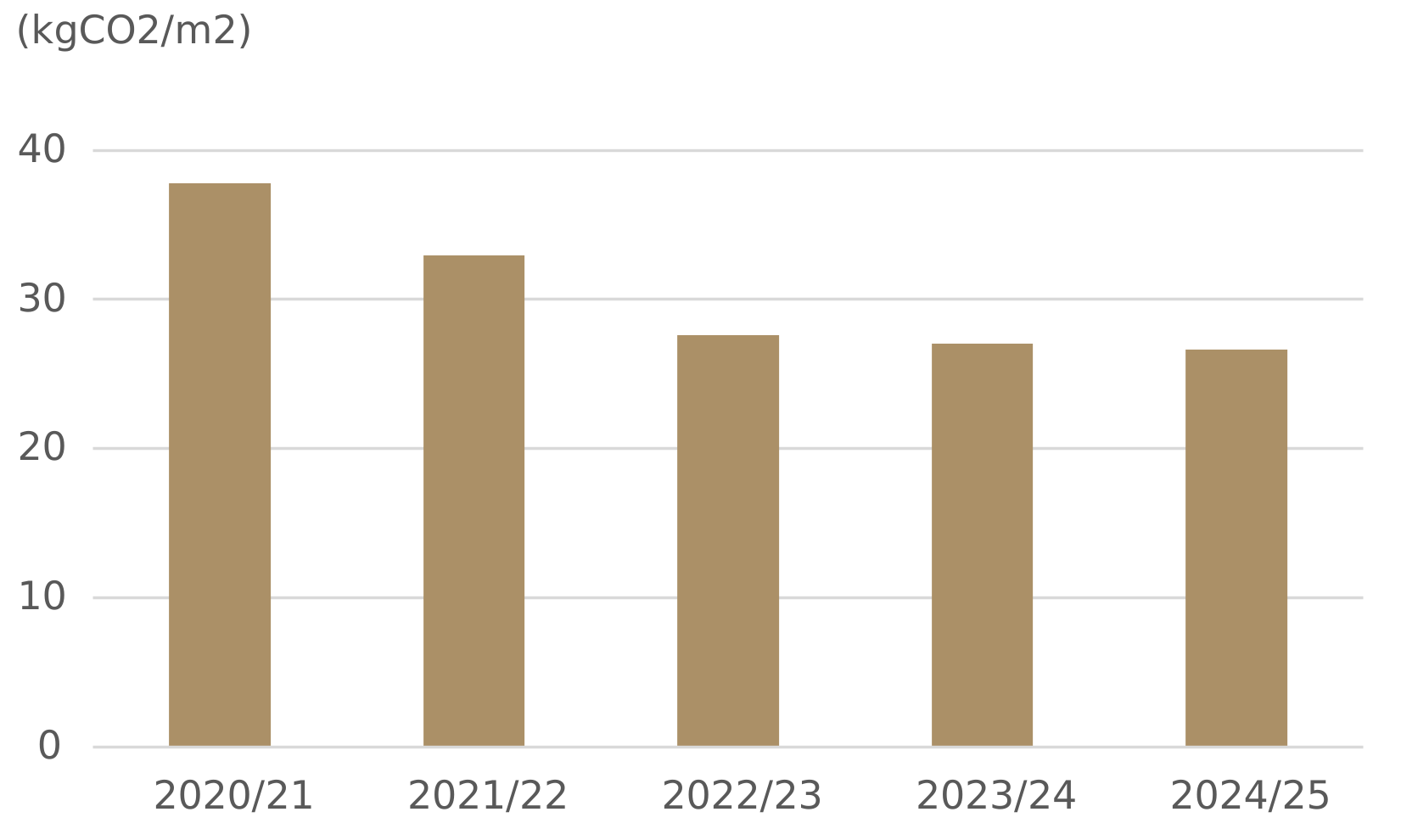
Assessing emissions relative to the ERS enables Investis to track the effectiveness of its sustainability initiatives and to identify additional opportunities for improvement.
Electricity consumption
Electricity consumption (Scope 1 and 2) totalled 1,141,778 kWh, equivalent to 5.07 kWh/m² of ERS. This marks a reduction of 3% compared to the previous period.
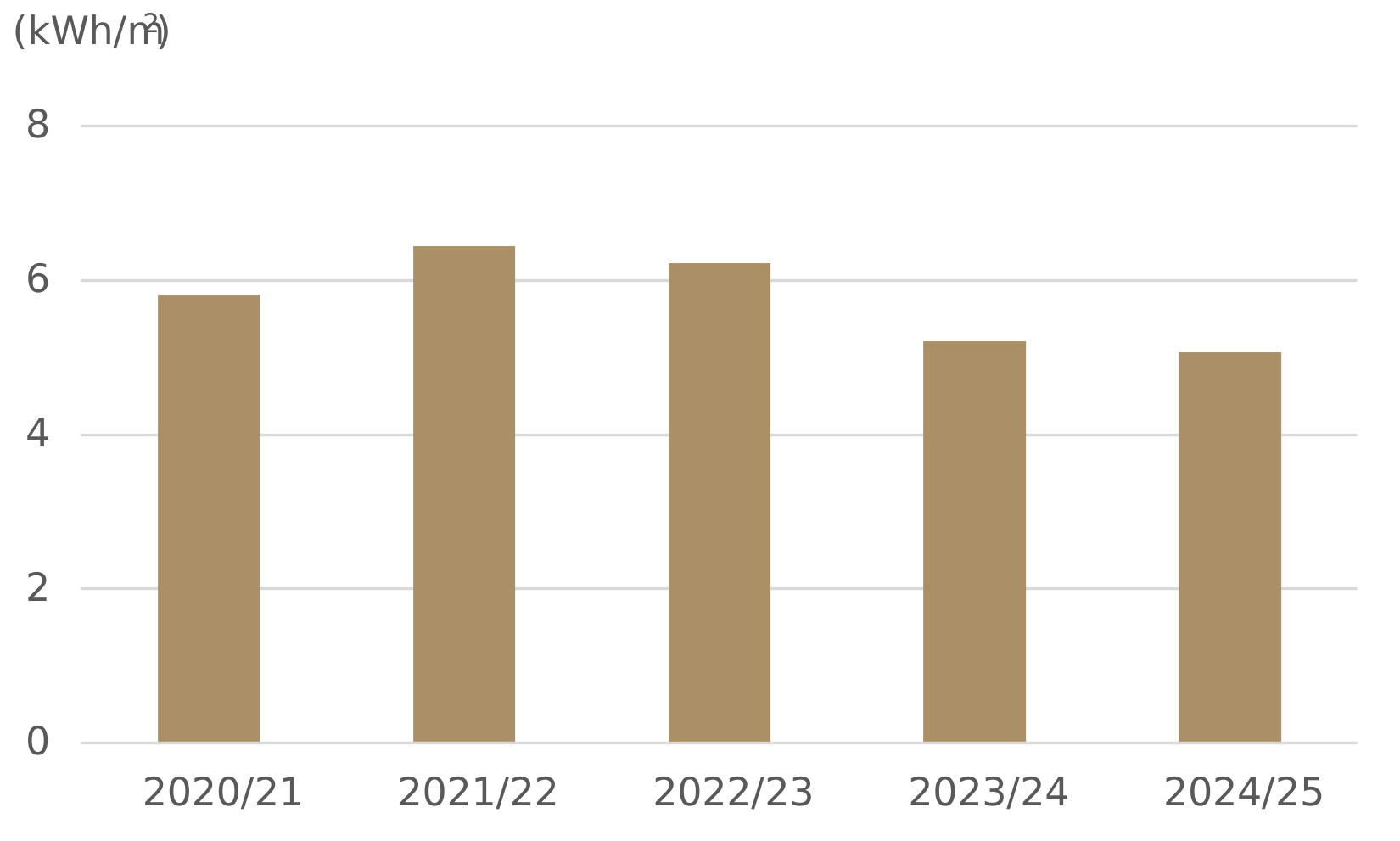
The improvement reflects targeted initiatives implemented across the portfolio, including the installation of energy-efficient lighting, particularly in the Canton of Geneva. Building on this success, Investis is extending these measures to its properties in the Canton of Vaud, with the aim of enhancing energy performance and further reducing environmental impact.
By optimising energy use in common areas, Investis demonstrates that efficiency gains can be achieved without compromising the comfort and functionality of shared spaces.
Water consumption
Total net water consumption across the portfolio was 323,564 m³. This corresponds to 1.45 m³/m² of ERS, representing a 6% decrease compared with the previous period.
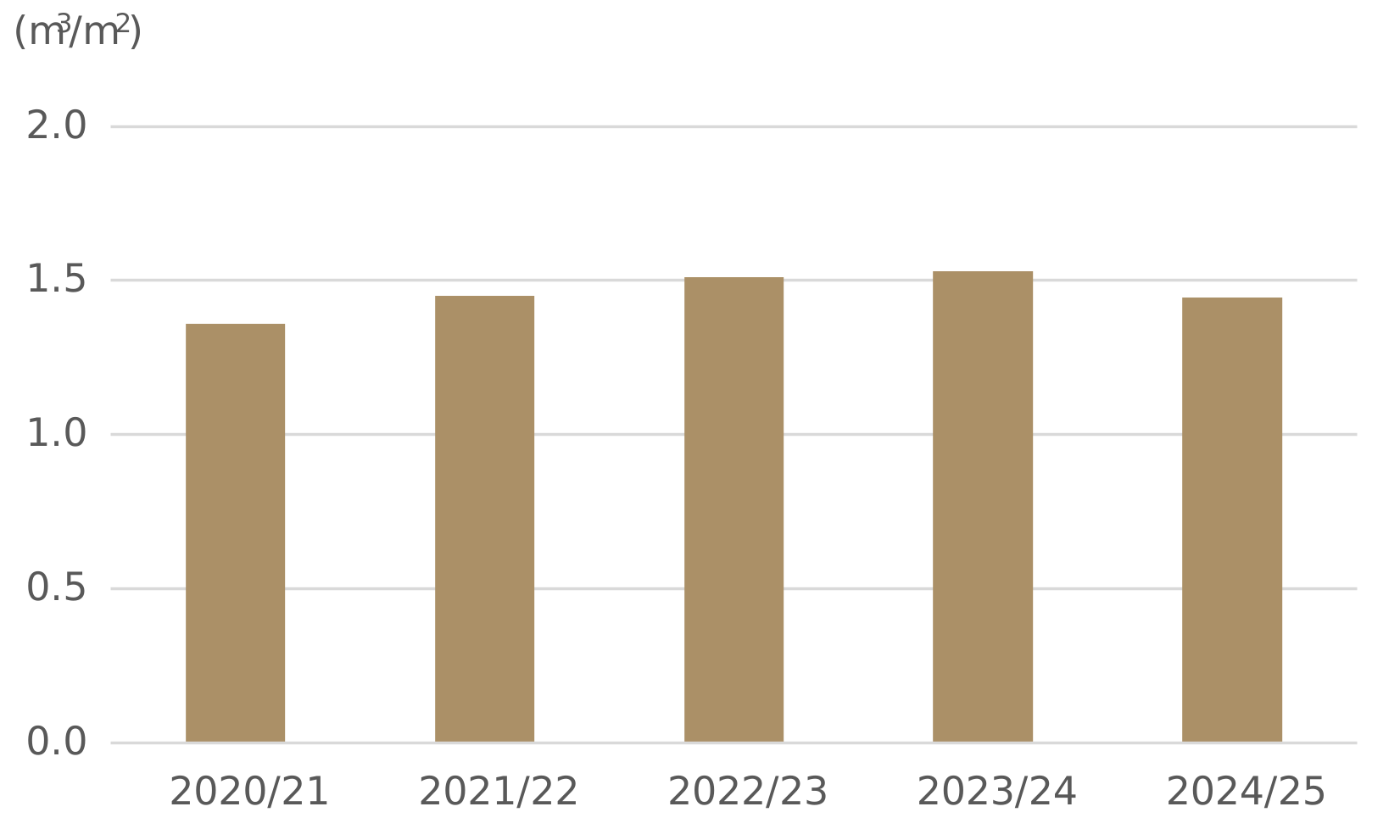
As part of its renovation projects, Investis installs water flow reducers on baths and sinks to lower overall consumption and reduce the volume of water requiring heating, thereby contributing to both water conservation and energy efficiency.